6. 服务端 - 多房间与游戏流程#
从这里开始Lua代码就要发挥相当重要的作用了,首先来看单线程环境下的并发实现。
6.1. 房间调度#
每个房间对应一个Lua协程。对于房间数量很多的情况,需要为一定数量的房间各启用一个线程,每一个线程由RoomThread类管理。
在房间调度模块,关注的对象只有RoomThread内部的工作流程。而调度本身是通过事件循环(Qt提供)进行的,每个房间在工作很短一段时间后必须主动让出线程控制权,在Lua 的角度体现为让出协程,在C++的角度则是函数返回。该模块主要的作用范围是C++代码, 主要有三个类发挥着作用。
![@startuml
!theme plain
class RoomThread {
-Room[] rooms
+void addRoom(Room *room)
+void removeRoom(Room *room)
+void pushRequest(string req)
+void delay(int roomId, int ms)
+void wakeUp(int roomId)
}
class Room {
-RoomThread *thread
-QTimer request_timer = nullptr
+void setRequestTimer(int ms)
+void destroyRequestTimer()
+void delay(int ms)
}
class Scheduler {
-RoomThread *thread
-lua_State *L
+void handleRequest(string req)
+void doDelay(int roomId, int ms)
+void resumeRoom(int roomId)
}
note top of Room
图中标出的三个方法只由Lua调用
end note
Scheduler -* RoomThread
RoomThread *- Room
@enduml](../_images/plantuml-de2df15e4b1de7a0c40922b7a5922b9eb304106c.svg)
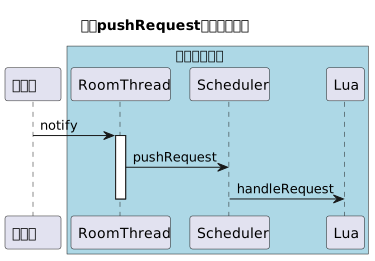
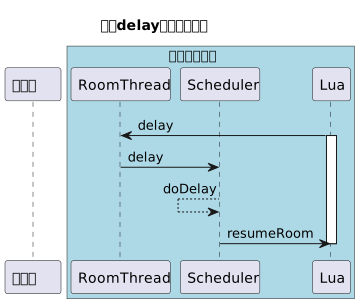
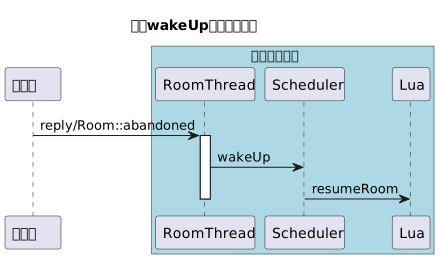
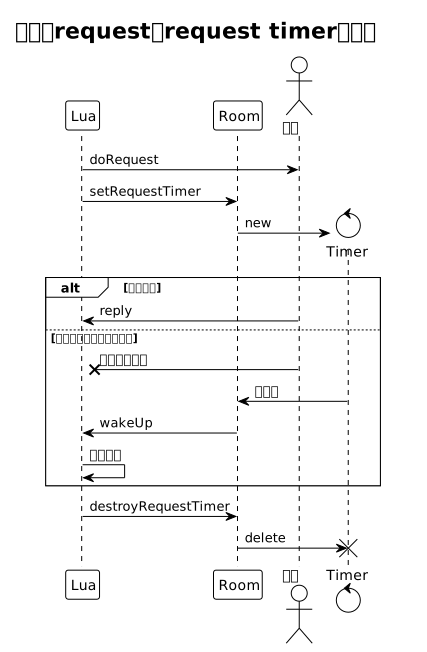
setRequestTimer在发起请求之后调用,用来创建一个计时器,当时间达到出牌时间时唤醒 房间。destroyRequestTimer用于清理本次request创建的计时器。其工作原理如图所示, 注意图中省略了一部分信息传递流程。
6.2. 请求与答复#
此处指的是类似服务器询问玩家是否发动某某技能,玩家选择如何作出答复的过程。 该概念需要Lua和C++代码的紧密配合才能正常运转,因此从C++和Lua两方进行说明。 先明确一下需要实现的功能:
能向玩家发送请求包,能检测玩家是否已经做出回复
在玩家出现网络状态波动时,能及时进行响应
当玩家消耗了所有用时都不答复时,能正确按默认条件处理
支持一名玩家同时控制多个角色
从这里开始会涉及Lua的类了,在Lua类和C++类共存的图中,Lua类标记为浅蓝色。 在这三个相关类中,Lua侧的Request类无疑发挥最重要的作用,一般的使用方法是构造, 填充data和默认回复,再调用ask方法进行询问与等待。
![@startuml
!theme plain
hide empty methods
class Router {
-int requestId
-int requestTimeout
-int expectReplyId
-string m_reply
-QMutex replyMutex
+void doRequest(command, jsonData, timeout)
+string waitForReply(timeout)
+void handlePacket(raw)
}
class ServerPlayer {
-Router *router
-bool m_thinking
+void thinking()
+void setThinking(thinking)
}
class Request #aliceblue {
+Room room
+ServerPlayer[] players
+int n
+bool? accept_cancel
+int timeout
+string command
+map<int, any> data
+map<int, any> default_reply
+map<int, any> result
-map<CPlayer, boolean> send_success
-map<CPlayer, int[]> pending_requests
+void setData(player, data)
+void setDefaultReply(player, data)
+void ask()
+ServerPlayer[] getWinners()
-void _sendPacket(player)
-void _checkReply(player)
-void finish()
}
Router -l[#hide]- ServerPlayer
Router -r[#hide]- Request
@enduml](../_images/plantuml-0aa36564a0fd1182589770cdd0908242f8b4ac4a.svg)
6.3. 游戏逻辑#
此处完全由Lua实现,这里主要说明事件机制的实现方案,及其运行与中断的机制。